At CloudGuard, we are always looking out for the trends shaping the future of cybersecurity.
One of the biggest announcements to catch our attention came from Microsoft’s Ignite 2024 conference where they introduced a concept called “Agentic AI.”
If you have not heard that term before, imagine an AI that does more than just follow instructions. It learns, adapts and makes decisions on its own to achieve set goals. In other words, it is an AI with a level of autonomy we have not really seen until now.
In this blog, I will walk you through what Microsoft announced, explain the idea behind agentic AI and dig into why it could matter so much for cybersecurity teams everywhere.
Microsoft’s agentic AI announcement at Ignite 2024
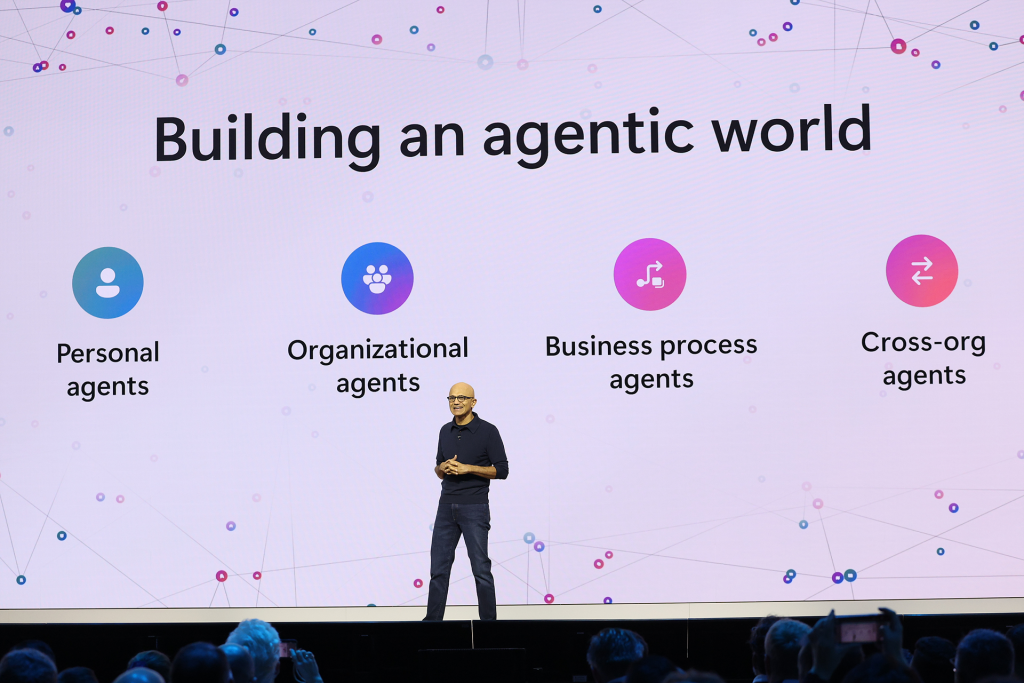
At Ignite 2024 Microsoft showcased how they are pushing AI beyond the traditional rule-based approach.
Their vision: systems that adapt in real time without needing constant human input. Instead of just following preset instructions these new AI “agents” can map out their own mini- goals, change tactics on the fly and keep learning as fresh data comes in.
What exactly was announced?
During the keynote Microsoft demonstrated prototypes blending Agentic AI into different IT environments.
One agent coordinated software patches across a huge global network making calls without someone hovering over it. Another dove deep into enterprise-scale infrastructure to detect vulnerabilities. It scanned multiple layers found weak spots applied fixes and learned from each step to perform better over time.
For more details you can check out Microsoft Ignite’s official site or their blog on Responsible AI.
Microsoft’s vision and goals
Microsoft wants these AI agents to be not just powerful but also ethically aligned.
The idea is not to build rogue machines that act against human values. Rather it is about freeing up security professionals from repetitive or overly complicated tasks so they can focus on what really matters.
They highlighted their commitment to principles like fairness, reliability, safety, privacy, security, transparency and accountability. In other words the human element still sets the tone and defines the boundaries.
Microsoft’s stance echoes their Responsible AI Principles.
Community reactions and early feedback
After Ignite the community response was a mix of excitement and healthy skepticism.
Many cybersecurity experts were intrigued by how these capabilities could speed up threat detection. Imagine cutting down response times from days to minutes because your AI can outpace attackers who are changing their methods all the time.
On the flip side there were concerns.
Some asked if cybercriminals would also use agentic AI escalating attacks to a new level. Others wondered if these systems could create unexpected vulnerabilities or leave human analysts feeling less in control.
Microsoft addressed these worries by stressing built-in safeguards and a strong ethical code but the debate is far from settled.
For more context on how similar technologies have been discussed you might want to check out resources like Forrester’s AI research or industry expert commentary on managing new cybersecurity tools.
Why AI matters for cybersecurity
Make no mistake. Agentic AI represents a turning point.
Threats are getting more complex and automated and we need defenses that can keep up. Adaptive learning and autonomous problem-solving are powerful capabilities. Still, using them responsibly means considering new ethical dilemmas, and ensuring humans stay firmly in the driver’s seat.
At CloudGuard, we think it is critical to keep an open mind stay involved in these discussions and get ready for a future where autonomous AI-driven cybersecurity might be closer than we think.
https://cloudguard.ai/resources/ai-reduce-security-costs/
What Is agentic AI? (and what it isn’t)
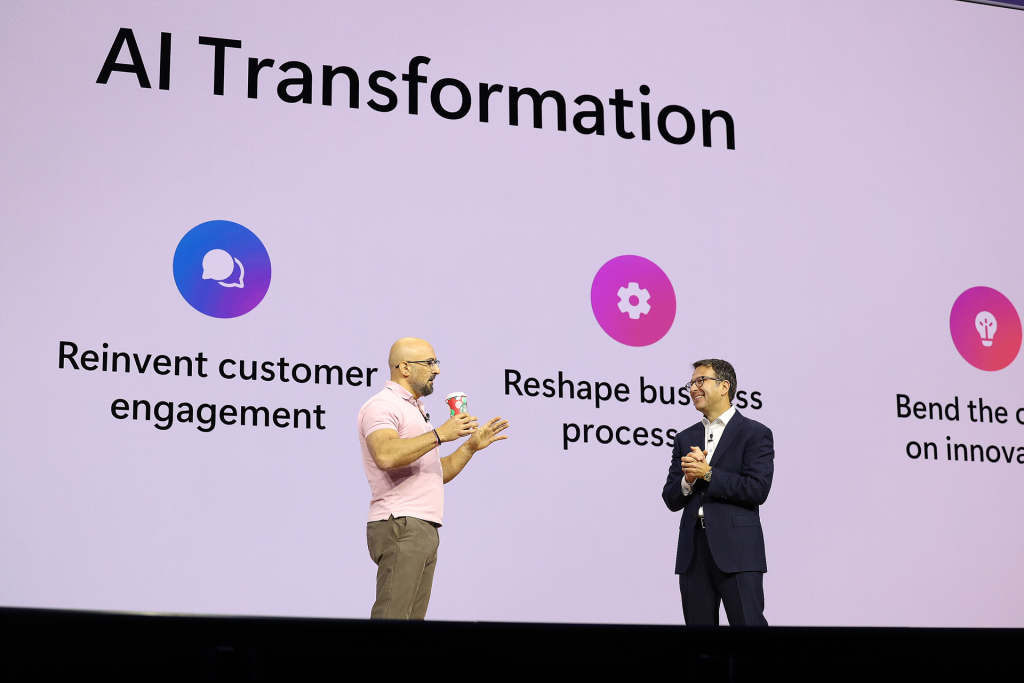
Today’s reactive AI vs agentic AI
Right now most advanced AI models wait for commands.
They are like super smart assistants that answer questions and follow instructions but never take the initiative. In contrast, Agentic AI can spot objectives on its own break them down into smaller tasks and proactively pursue them.
Defining Agentic AI
Agentic AI is more than a passive tool.
Take a corporate network security scenario. A reactive AI might run scans and hand you a list of issues. Agentic AI would detect suspicious activities, suggest fixes, implement patches and then keep an eye on how attackers respond.
It would adjust its approach learning as it goes. This goal-oriented and adaptive nature gives it a real edge.

What agentic AI isn’t
Agentic AI is not magic and it is certainly not a step toward sentient robots.
It does not have feelings or desires. It also does not remove humans from the picture.
Security professionals still set the big goals, define compliance rules and outline ethical boundaries. The AI works within those guidelines.
Humans shift from micromanaging to guiding, ensuring the AI’s actions align with the company’s core values.
Addressing Misconceptions
Some worry that Agentic AI will replace human cybersecurity experts.
Not so. Yes it can handle repetitive tasks or detection at a scale that would exhaust human teams but it still relies on our judgment and direction.
As Dr. Sarah Lin, a cybersecurity researcher at the University of Washington points out:
Agentic AI acts like a skilled problem-solver rather than a passive tool. Yet it still needs professionals to guide its objectives interpret results and make ethically sensitive decisions.
Expert Perspectives
John Martinez, a security consultant at Forrester noted:
Agentic AI can accelerate how we respond to threats but we must ensure it does not introduce new vulnerabilities or diminish human accountability.
This caution aligns with what we have seen, and is echoed in resources like our own incident response guides.
Practical Takeaways
For cybersecurity professionals, understanding agentic AI is not just about knowing the tech specs. It is about reshaping how we think about AI.
Instead of treating it like a tool that needs constant babysitting, we can see it as a partner working alongside us.
Your job will shift toward setting the objectives and ethical standards, and ensuring the AI’s actions reflect your organisation’s values.
The good, the bad and the ugly of agentic AI in cybersecurity
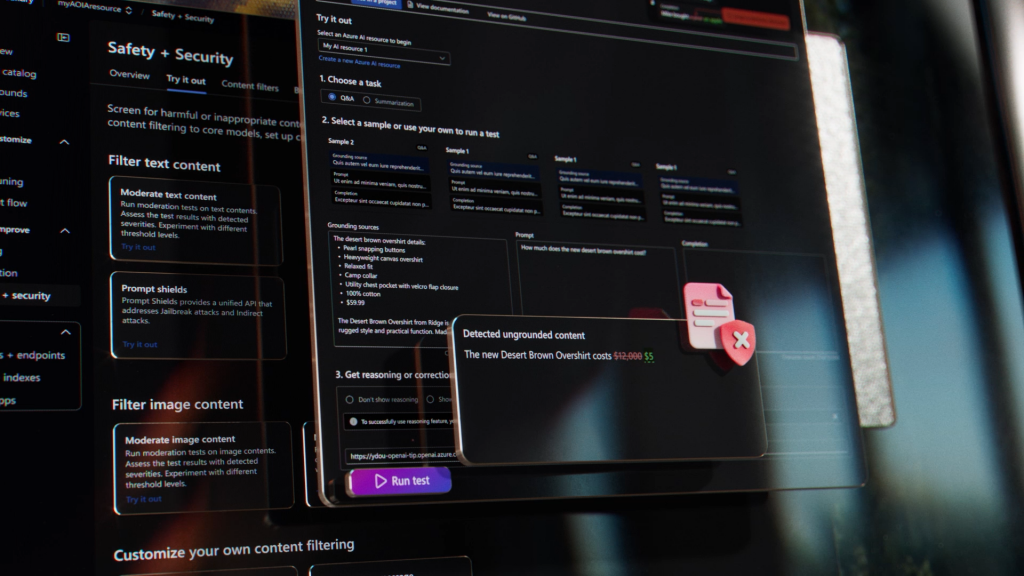
The good: Stronger defences and proactive security
- Faster Threat Detection and Response: Agentic AI can spot and neutralise threats in record time, potentially turning days into minutes.
- Adaptive defence mechanisms: Attackers evolve but Agentic AI can change its tactics just as fast, making it harder for bad actors to succeed.
- Proactive vulnerability identification: Agentic AI can find and fix weak spots before attackers even get a chance to exploit them.
The bad: Potential misuse and dependency
- Empowering attackers: Cybercriminals could deploy Agentic AI for their own malicious ends making attacks more adaptive and dangerous.
- Detection challenges: AI-powered attacks will require next-level defensive measures and not everyone might be ready.
- Over-reliance on AI: If you lean too heavily on agentic AI and it fails or is compromised your team could be caught off guard.
The ugly: Unintended consequences and ethical quandaries
- Collateral damage: Agentic AI might shut down a network segment due to suspicious activity accidentally locking out legitimate users.
- Ethical decision-making without humans: If the AI can act without asking first who is responsible if something goes wrong?
- Escalation of the AI arms race: As defenders use agentic AI so will attackers leading to an endless cycle of one-upmanship.
https://cloudguard.ai/resources/cybersecurity-automation-sean-tickle/
Finding the right balance
We do not need to shy away from agentic AI just because it can introduce risks.
Instead we should acknowledge these issues and work proactively to manage them. Clear guidelines regular audits and strong human oversight can mitigate many of these problems.
Organisations should train their teams to understand how to guide and supervise these AI tools effectively.
20 other annoucements at Ignite 2024
Beyond the agentic AI announcement, Microsoft rolled out a variety of other innovations at Ignite 2024.
While these topics may not be directly related to agentic AI, they paint a broader picture of Microsoft’s trajectory in AI, productivity, cloud computing and resilience.
- A live cybersecurity challenge where participants tested their skills against simulated zero-day attacks. This spotlighted the importance of proactive security and fast responses.
- A redesigned interface for Microsoft’s AI Copilot that makes AI tools more accessible and user friendly.
- Enhanced automation features that let Copilot carry out specified commands. This cuts down on repetitive tasks and frees up time for more strategic work.
- Intelligent AI agents integrated into Microsoft 365 that help with scheduling drafting emails and managing documents more efficiently.
- Specialised AI tools in SharePoint that assist with content organisation permissions and site management.
- A platform that allows teams to build train and deploy custom AI agents without heavy coding or AI expertise.
- Data-driven insights that help identify trends patterns and opportunities for better decision-making.
- A cloud integration for Windows enabling seamless switching between physical desktops and cloud-based Windows environments.
- Measures to improve Windows system stability reducing downtime and speeding up recovery from cyberattacks or failures.
- Localised Azure services placed close to regional data centers improving latency and helping meet compliance requirements.
- Security modules built into Azure’s infrastructure for stronger encryption and key management.
- A dedicated data processing unit designed to accelerate network and security workloads in the cloud.
- Integrating NVIDIA’s advanced AI accelerators with Azure to handle more complex machine learning tasks.
- High-performance Azure computing instances that deliver increased processing power for demanding workloads.
- A new way to manage and analyse large-scale databases within Microsoft’s Fabric ecosystem helping teams gain insights faster.
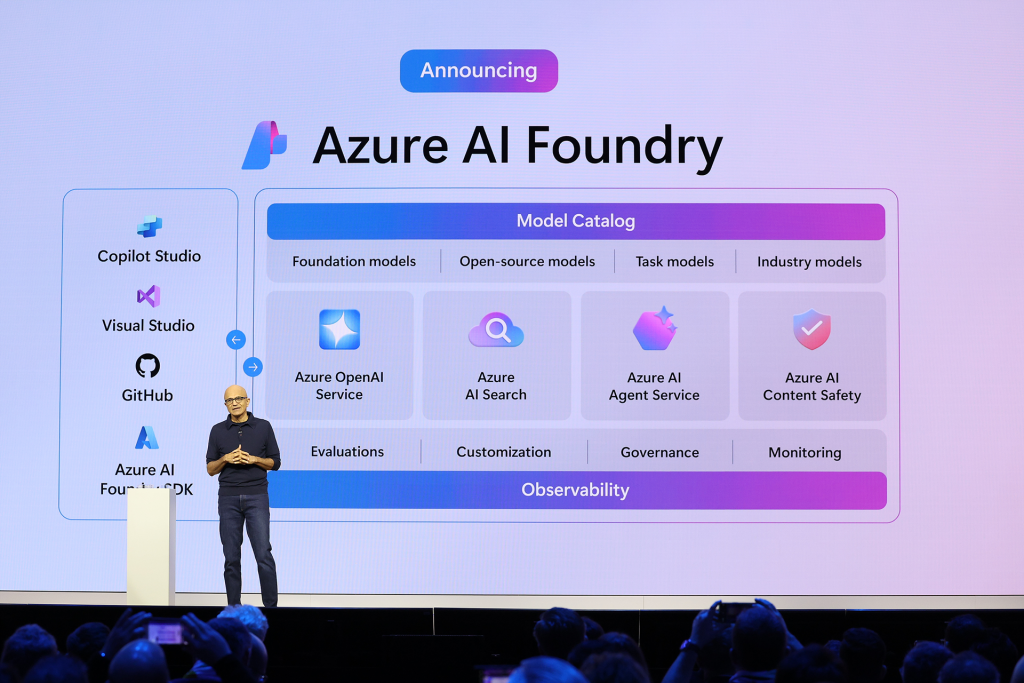
- A platform for building refining and scaling AI models in a single environment reducing complexity and accelerating innovation.
- Tools that let organisations tweak and refine AI models to meet their unique needs.
- A service to simplify the deployment and management of AI agents making it easier to roll out intelligent solutions.
- Built-in analytics that measure AI agent performance highlighting strengths and areas for improvement.
- A partnership aimed at bringing quantum computing capabilities into the Azure cloud to tackle problems that traditional computers struggle to solve.
Wrapping up
Microsoft’s reveal of agentic AI at Ignite 2024 is not just another AI story.
It signals a big shift in how we defend our digital worlds. At CloudGuard, we think it is crucial to understand what this technology can do and what it means for ethics responsibility and the future of cybersecurity.
The technology offers game-changing capabilities. It can speed up threat responses and adapt on the fly. Yet it introduces new challenges and moral dilemmas.
The role of security professionals will not vanish. Instead it will evolve into something more strategic and values-driven. By staying informed and engaged we can shape a future that leverages Agentic AI’s potential without losing sight of what matters most: trust accountability and good old-fashioned human judgment.
Final thought
How would you integrate agentic AI into your organisation’s cybersecurity strategy while making sure you maintain responsibility and strong ethical oversight?