Managing insider threat incidents is one of the most complex challenges for housing associations today.
While preventing insider threats is crucial, having a clear, actionable plan to respond when incidents do occur is equally important.
Insider threats often involve internal employees or contractors with deep knowledge of your systems and processes. From quickly isolating the issue to investigating the breach and recovering stolen data, incident management is key to minimising damage.
Detection is only half the story. In this article, I will outline the ideal insider threat response plan housing associations should follow.
Establishing an insider threat response team
To manage insider threat incidents effectively, your housing association needs a dedicated response team.
This team ensures there is a clear structure in place when an insider threat is detected. This reduces confusion and response times.
Building your team
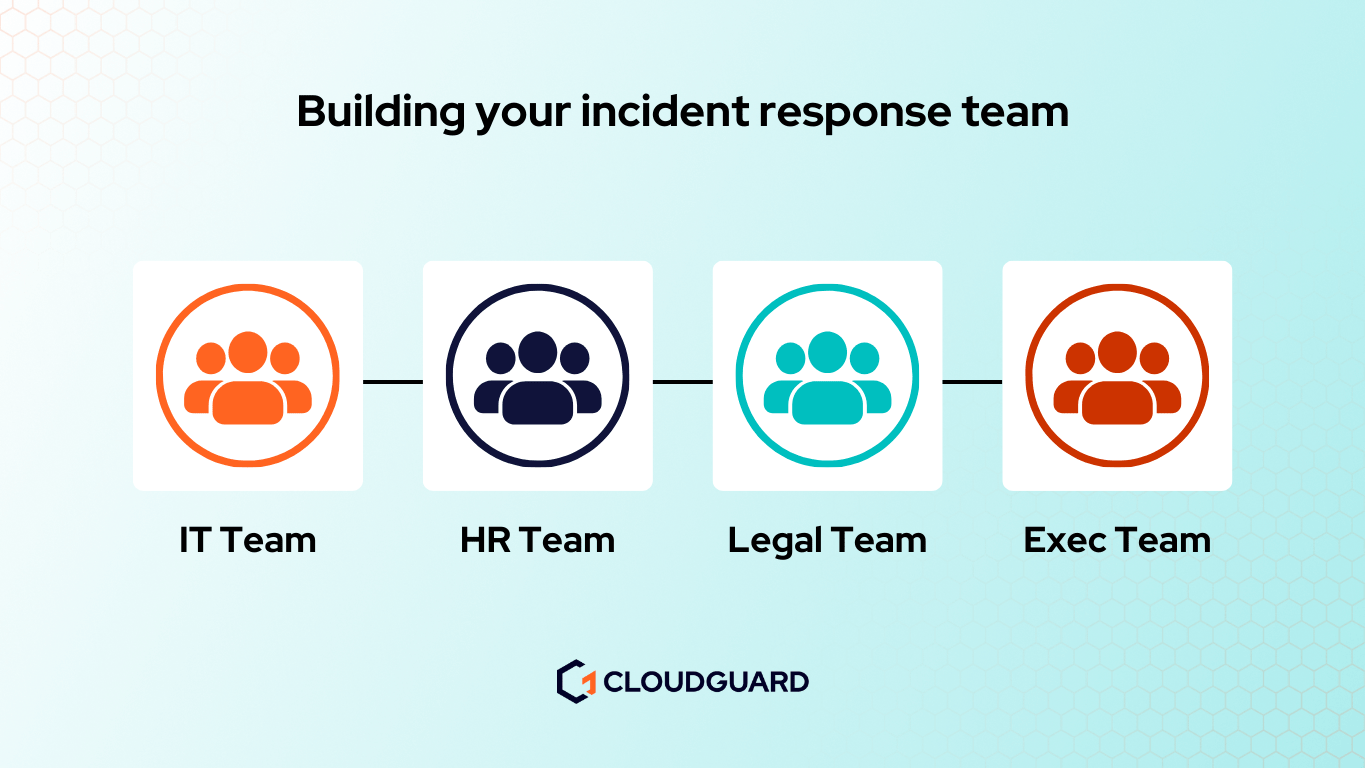
- Define roles: Identify key people from IT, HR, legal, and executive leadership who will take charge during an insider threat incident.
- IT will handle technical containment and analysis
- HR deals with employee-related aspects
- Legal ensures regulatory compliance
- Executive leadership makes strategic decisions.
- Set regular meetings: The team should meet regularly to review incident response plans and run mock drills. We do this with our TableTop Exercise services.
- Create clear communication channels: Establish dedicated communication lines for real-time discussions during an incident (e.g. Slack channels, Teams chats or secure emails).
Creating an insider threat playbook
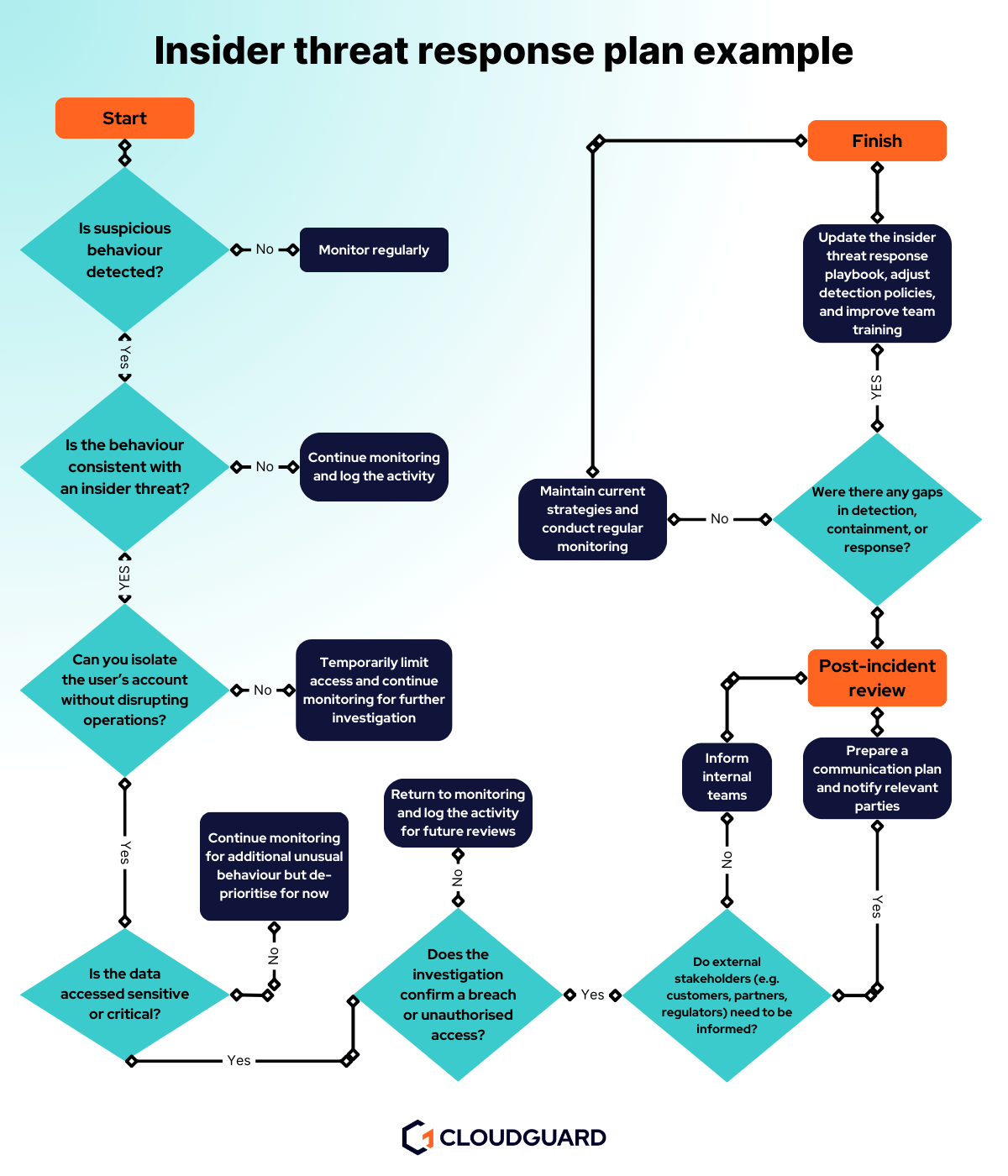
Once you’ve established your team, an insider threat response playbook is critical. It should outline step-by-step actions to follow when an incident is detected.
Read our 9 steps to improving insider threat detection.
- List potential threats: Start by outlining common insider threat scenarios like:
- Unauthorised access
- Large data transfers
- Suspicious login attempts
- Detail specific steps for each threat: Include steps for detecting, containing, and resolving the threat. For example, set clear protocols on how to revoke access and begin forensic investigations.
- Run simulations regularly: Practice these scenarios with your team to ensure they’re ready to respond quickly and effectively.
CloudGuard offers incident response planning services designed to tailor strategies specific to housing associations.
Quick detection and containment
Speed is essential in responding to insider threats. The faster you detect and contain a threat, the less damage is done.
Identifying the breach
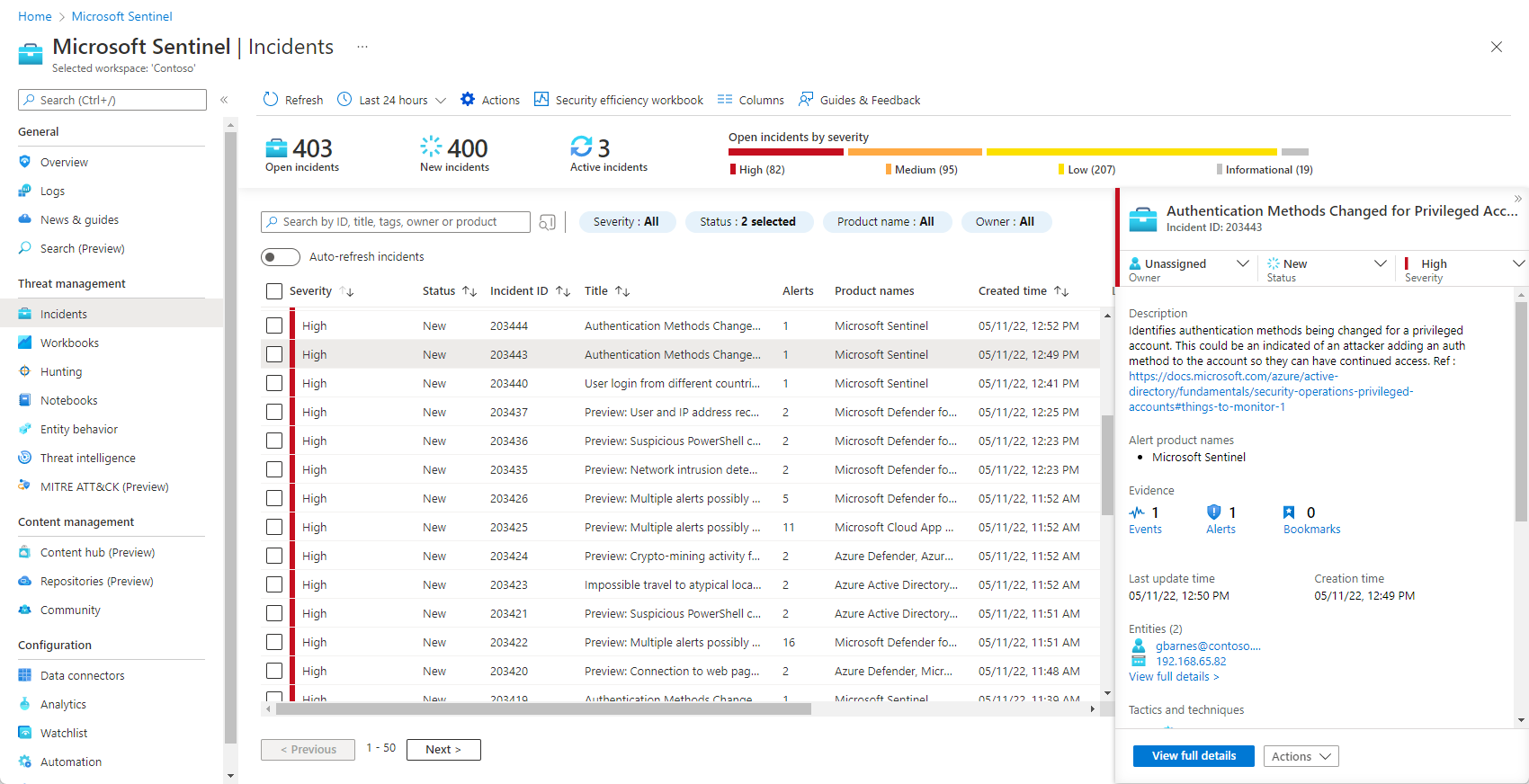
- Set up monitoring tools: Use Microsoft Sentinel to monitor user behaviour, focusing on patterns such as abnormal login times, sudden changes in data access, or large file transfers.
- Customise alerts: Configure Sentinel to automatically alert you when these anomalies are detected. For example, create rules to flag access to critical systems from unusual IP addresses.
- Regularly review logs: Make it a habit to examine Sentinel’s daily or weekly reports to proactively detect suspicious behaviour.
Isolating compromised accounts
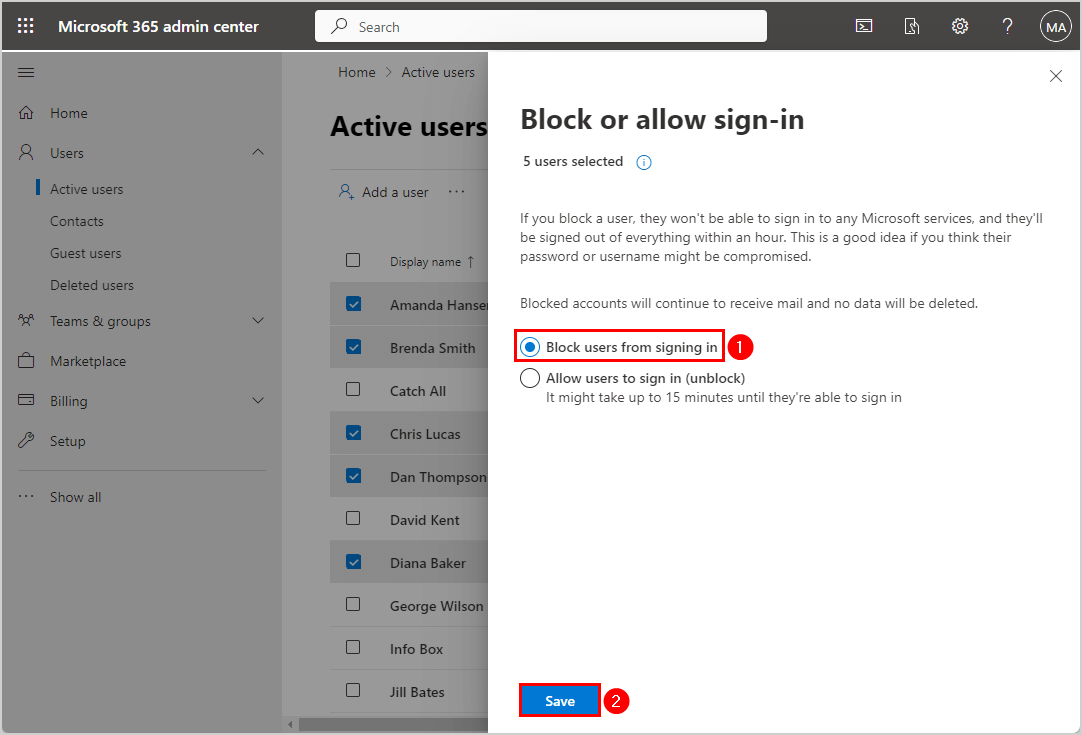
Once you detect the breach, isolate the affected accounts immediately.
- Revoke access immediately: If an account is compromised, revoke access using Microsoft Entra ID (formerly Azure Active Directory). This ensures the individual can no longer access systems or data.
- Reset credentials: Force a password reset for affected accounts to prevent further breaches.
- Block access to critical data: Use Microsoft Defender to restrict access to sensitive files or systems until the threat has been fully contained.
Investigating the incident
After containment, the next step in your insider threat response is a detailed investigation. You need to understand the full scope of the breach.
Analysing the breach
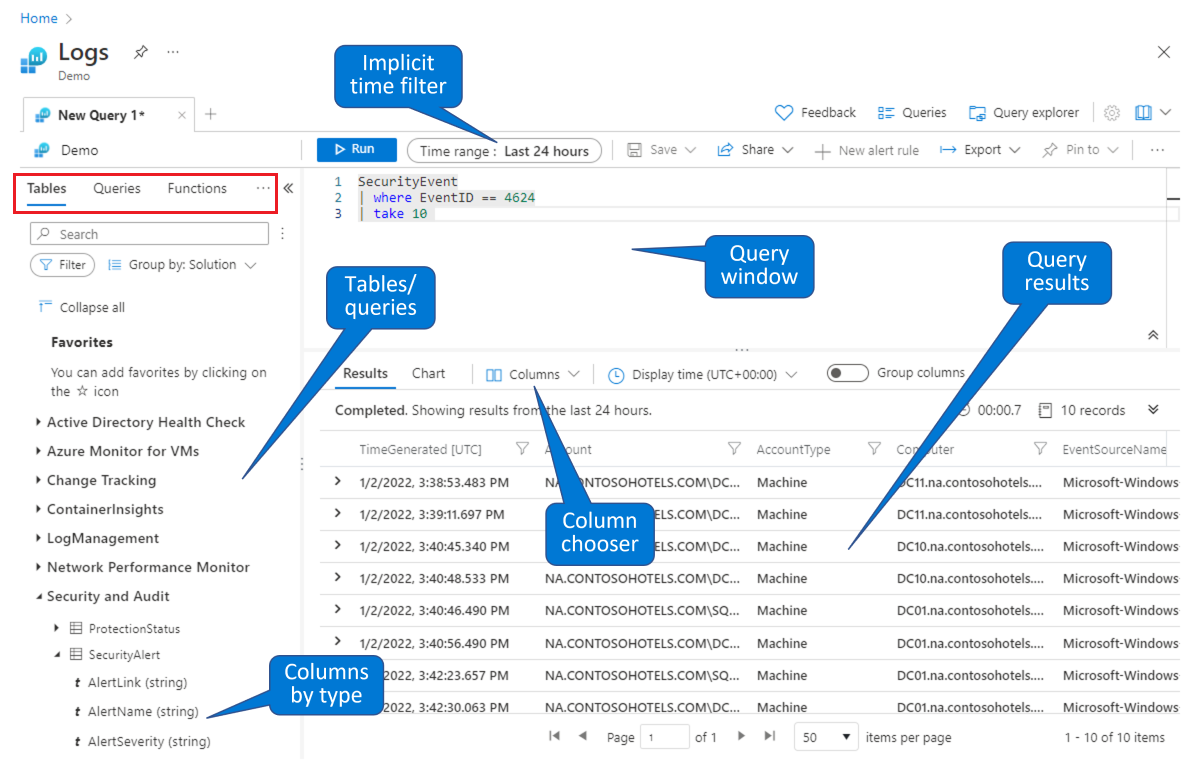
- Review logs for suspicious activity: Use Sentinel’s logs feature to trace the compromised account’s actions. Look for files accessed, IP addresses used, and other unusual behaviour.
- Track devices used: Use Microsoft Defender to identify which devices were used to execute the attack and whether they are secure or require further investigation.
- Assess the impact: Work with IT and legal to determine whether sensitive data was accessed or stolen, and if any regulatory bodies need to be notified.
Determining data impact
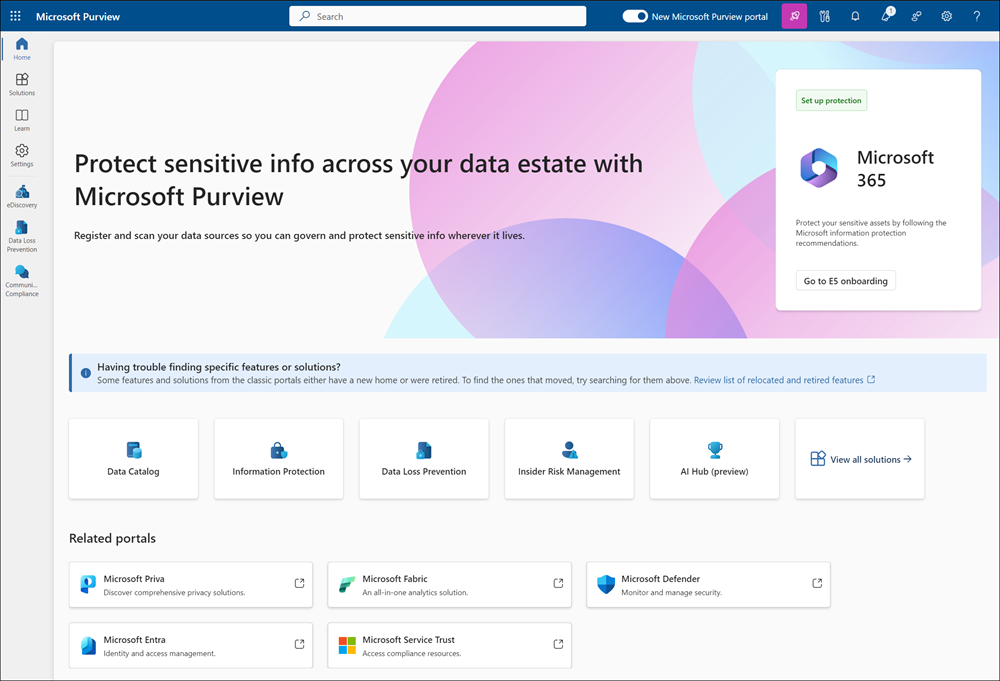
- Conduct data access audits: Use Microsoft Purview to conduct a thorough audit of accessed files. Determine whether sensitive tenant data was involved.
- Coordinate with legal and HR: If personal data was accessed, work with your legal and HR teams to report the breach and manage its fallout, especially if employees are involved.
CloudGuard’s TableTop Exercises provide a realistic training environment to simulate potential threats and evaluate your response strategies.
Communicating with stakeholders
Communication during an insider threat incident is critical. You need to manage both internal and external communications carefully to prevent panic and maintain trust.
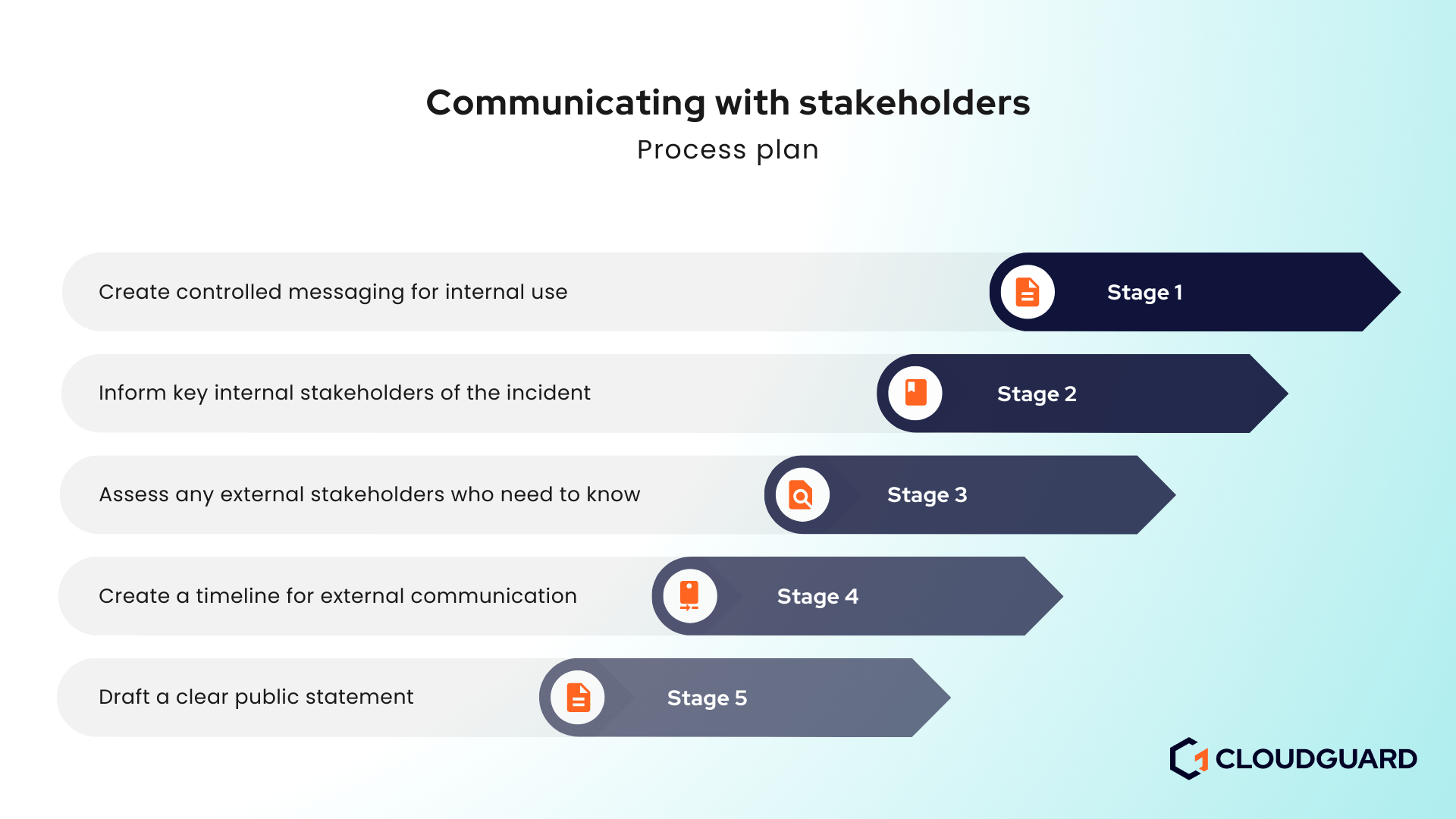
Internal communication
- Create controlled messaging: Use prepared email templates to inform your team and employees about the breach. Avoid causing unnecessary panic by providing factual information only.
- Inform key stakeholders: First inform the incident response team, including IT, HR, legal, and executive leadership. Broader internal communications can be sent later, depending on the severity of the threat.
External communication
- Assess who needs to know: If sensitive or personal data has been compromised, regulatory bodies like the ICO may need to be informed. Review GDPR or other relevant regulations.
- Create a timeline for external communication: Decide which external parties need to be informed and when, including customers, partners and regulators
- Draft a clear public statement: Work with legal and PR to draft a transparent but reassuring public message. Explain what occurred, what actions have been taken, and how it will be prevented in the future.
Post-incident review and improvements
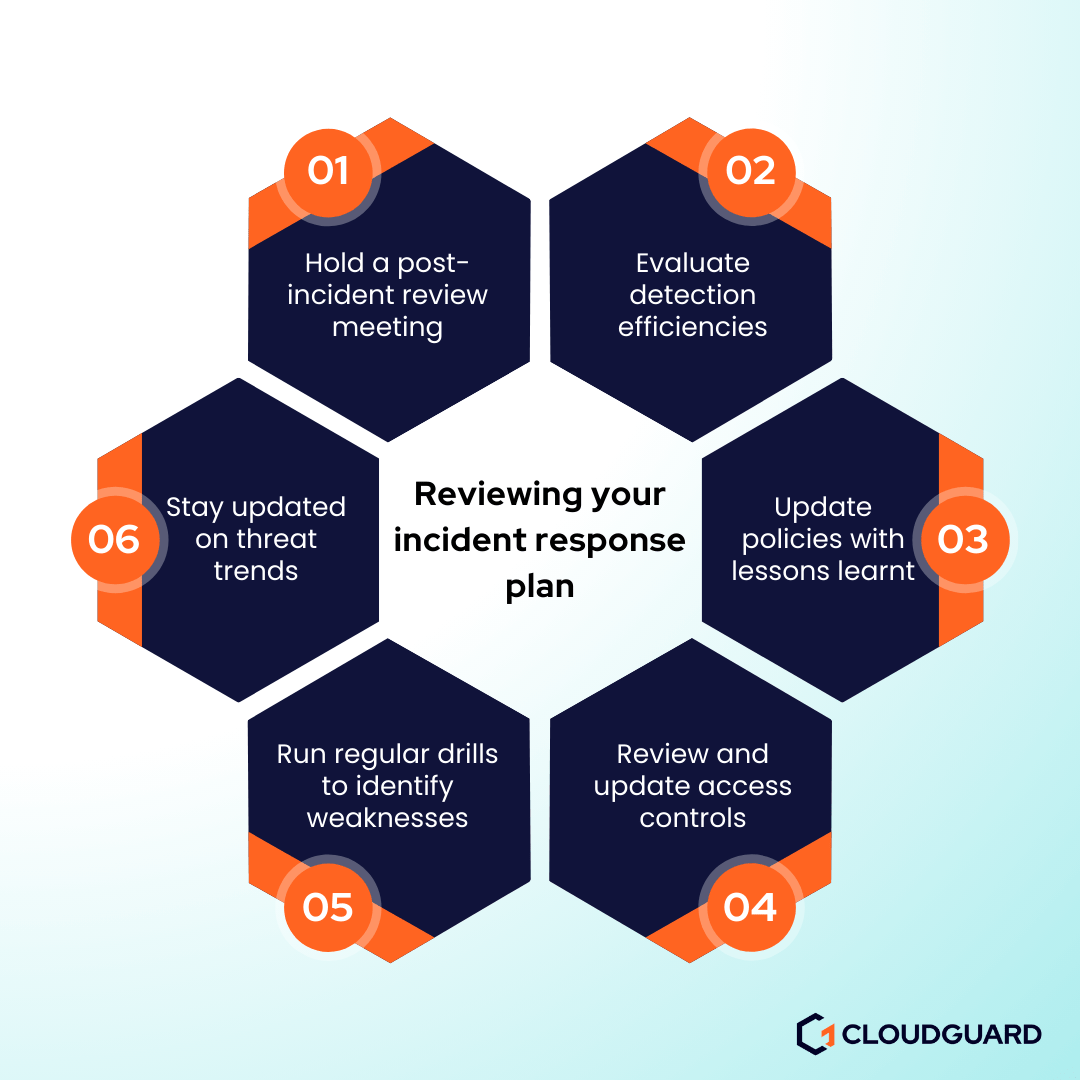
Once the immediate threat is dealt with, the final step in insider threat response is to review the incident and improve your processes for the future.
Learning from the incident
- Hold a post-mortem meeting: After containment, hold a post-incident meeting with your insider threat response team. Review how the breach happened and what actions were taken.
- Evaluate detection efficiency: Were the detection tools (Sentinel, Defender) able to flag the threat in time? If not, consider tightening alert thresholds or expanding monitoring.
- Update policies: Use the lessons learned from the incident to refine your insider threat response playbook, adjusting processes as needed.
Refining your insider threat response
- Update access controls: Review and, if necessary, restrict access to sensitive data. Regularly update access privileges to ensure they align with employees’ roles.
- Run regular drills: Periodically run tabletop exercises or simulations to keep your team prepared and identify any weak points in your response strategy.
- Stay updated on threat trends: Monitor new insider threat tactics and update your detection systems accordingly to stay ahead of emerging risks.
Summary of optimising your insider threat responses
Managing insider threat incidents requires more than just detection. It requires a fast, coordinated insider threat response.
Housing associations need to establish dedicated teams, use tools like Microsoft Sentinel and Defender, and conduct thorough investigations to contain breaches quickly.
By refining response plans and conducting regular post-incident reviews, you can ensure that your organisation is prepared to handle insider threats with minimal damage.
Further support
- For more detailed guidance, watch our on-demand webinar: Housing association cybersecurity strategy.
- CloudGuard’s Incident Response Planning Services can you help you write or rewrite your plans
- CloudGuard’s TableTop Exercises can test your current response plan with simulations and identify areas for improvement