In our recent fireside chat with our partners Codestone, we explored a variety of cybersecurity topics. With a staggering 88% of UK companies suffering a cybersecurity breach in the last 12 months, we hosted this session to equip you with the strategies needed to protect your organisation from emerging cyber threats.
Here’s your key takeaways!
No business is safe
Learnings from recent breaches: Attacks on prominent companies such as, Leicester City Council and The Ministry of Defence, demonstrate that no business is immune to cyber threats. There is always room for improvement, even when utilising both internal and third-party products. Since targeted attacks employ multi-layered strategies, it is essential to continually adapt your defences.
Businesses must continually learn and seek opportunities to improve their cybersecurity posture. Many companies, despite having robust security measures, must adapt and enhance their strategies through audits, ISO certifications, and best practice applications to address evolving threats.
Exploitable gaps in security
Common Issues: Organisations often face gaps between their security procedures and the actual tactics used. These gaps can be due to inadequate enforcement of best practices, lack of integration between security products, or insufficient correlation of alerts.
Impact: These gaps create vulnerabilities that can be exploited by attackers, leading to potential breaches or data exfiltration.
Investment in security products
Investment vs. Effectiveness: Even with substantial investments in security products, if these tools are not properly integrated or configured, they fail to provide comprehensive protection. An integrated approach is necessary for effective threat detection and response.
Integration Challenges: Difficulties in correlating data across different platforms can hinder the ability to respond to threats effectively.
Measures businesses can put in place
Recovery Strategies: Implement solid data recovery plans, including regular testing of backup systems. The goal is to minimise downtime and ensure business continuity in case of a cyber attack.
Testing Frequency: Conduct simulations and tests of your incident response plan at least every three months to stay prepared for potential threats.
Ransomware in 2024
Current Landscape: Ransomware continues to be a major threat. Despite improvements in security measures, attackers adapt quickly, making ongoing awareness essential.
Prevention and Response: Focus on effective backup policies, multi-factor authentication, and timely patching of vulnerabilities. Understand that paying a ransom does not guarantee data recovery or protection.
Paying a ransom might seem like a quick fix, but it’s costly and doesn’t prevent the stolen data from being published or further exploited.
https://youtu.be/kal-_2I1dtQ?feature=shared
The cyber kill chain
Concept Overview: Developed by Lockheed Martin, the Cyber Kill Chain model outlines an eight-stage process for identifying and mitigating cyber threats. Early detection at any stage of the chain improves the ability to respond to attacks in real time.
Application: Use the model to analyse security events and enhance threat detection capabilities.
AI in cybersecurity
Enhanced Detection: AI aids in processing large amounts of security data, detecting anomalies, and automating responses. It helps in correlating information from various sources and identifying potential threats more effectively.
Ongoing Training: AI systems require continuous training and updates to improve decision-making capabilities and adapt to new threats.
Pen testing and plan testing
Importance of Pen Testing: Regular penetration testing helps identify vulnerabilities in your system before attackers can exploit them. It should be part of a comprehensive security strategy.
Plan Testing: Ensure your incident response plans are tested frequently and updated based on lessons learned. This includes rehearsing the response to data encryption and exfiltration scenarios.
How bad actors evade detection
Common Tactics: Bad actors use techniques like impersonation, compromised credentials, and malware hidden in browser plugins to evade detection. Monitoring for unusual behaviour and unauthorised access is crucial.
Preventive Measures: Implement rules to detect and respond to suspicious activities, such as multiple password resets or unexpected access patterns.
Avoiding the CrowdStrike incident
Incident Recap: The CrowdStrike incident was caused by a bug in a content validation tool, highlighting the importance of thorough testing before deploying updates.
Best Practices: Ensure that all security tools and updates are rigorously tested and that vendors provide options for test assurance. Incorporate these practices into your vendor selection criteria and recovery plans.
Your free checklist
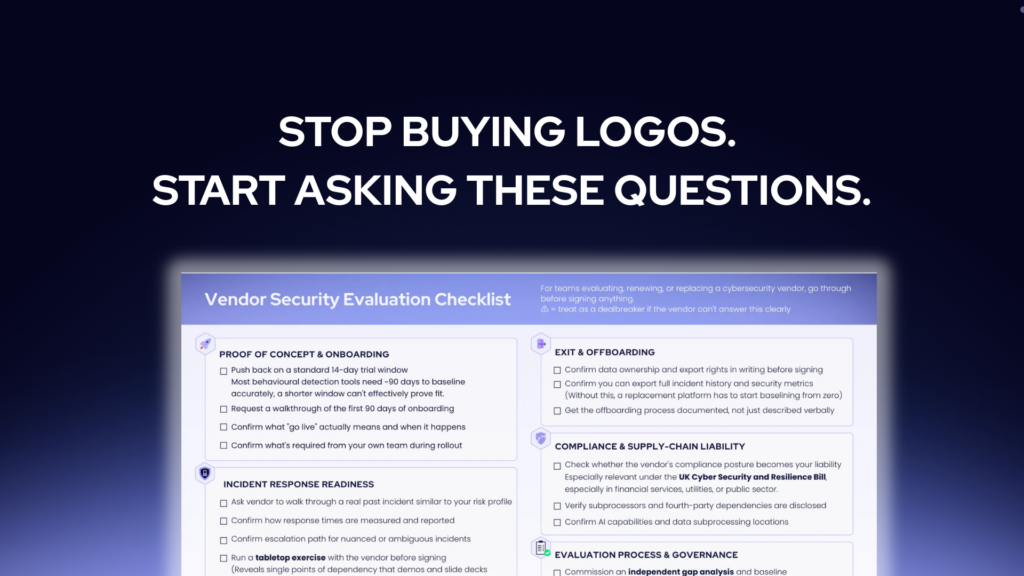
We’ve created this handy checklist for you which includes regular maintenance tasks you can conduct on a weekly, quarterly and annual basis. No details needed, just simply click and download.
[GET YOUR FREE SECURITY CONFIGURATION CHECKLIST HERE]
As always, CloudGuard is here to help you with all your cybersecurity needs. Whether you’re facing threats such as phishing attacks, malware, data breaches, or any other security vulnerabilities, our team of experts is ready to assist you. Contact us here.