Adopting and leveraging the advantages of AI is accelerating rapidly. Questions surrounding the potential impact of new AI regulations on cybersecurity innovation have sparked discussions within the industry. I was asked about this on our recent webinar about the 2024 threat landscape. In this piece, I aim to provide further analysis of this nuanced landscape, drawing upon my experiences as a seasoned professional in the cybersecurity sector.
The dual ecosystems
Let’s delve into the dichotomy I highlighted in my recent comments—the existence of two distinct ecosystems within cybersecurity. On one side, we confront well-funded entities like Octo Tempest and Scattered Spider. We also have a few nation-state-supported entities receiving over $400 million, as well as ransom money revenue. The ability of these entities to independently propel the creation of AI tools, including quantum computing, raises concerns about how this will challenge IT security, and how global regulations needs to consider guardrails and regulations on their trajectory.
The second ecosystem, in contrast, comprises a diverse array of cybersecurity entities, ranging from innovative startups to established companies dedicated to defending against evolving threats. This ecosystem is characterised by agility, adaptability, innovation, and a commitment to pushing the boundaries of critical thinking.

Unlike the first ecosystem, which is marked by substantial funding from nation-states, this second ecosystem thrives on a combination of ingenuity, collaboration, and a shared commitment to cybersecurity excellence. The effectiveness of nefarious activities and targeting of specific cohorts and industries is escalating considerably. As I discussed, this is unlikely to decline in 2024.
Yet there is a sensitivity to ensuring appropriate but adaptive global collaboration on guardrails and guidelines. The challenge lies in ensuring that AI regulations do not inadvertently stifle the innovation or constrain development pathways. We can learn some really powerful lessons from the hacker mindset in “good enough”, critical process thinking, and silo exploitation to respond more effectively to emerging cyber threats.
The regulatory conundrum
We have observed the global challenges on freedom of speech and data privacy, and how this can reduce our ability to understand and more effectively protect others. The initial question that arises is: to what extent do AI regulations need to influence the capabilities of these well-funded actors?
With geo-political challenges, the likelihood of majority global alignment is unlikely. Without this, how effective will any regulation and protection afforded therefore be? As AI and quantum computing accelerate digital transformations, we need to be ready and prepared for significant evolution at a greater globally collaborative level. This must be supportive of positive innovation and developments yet offer greater levels of nation-backed individual and commercial protections.
The crucial role of international collaboration
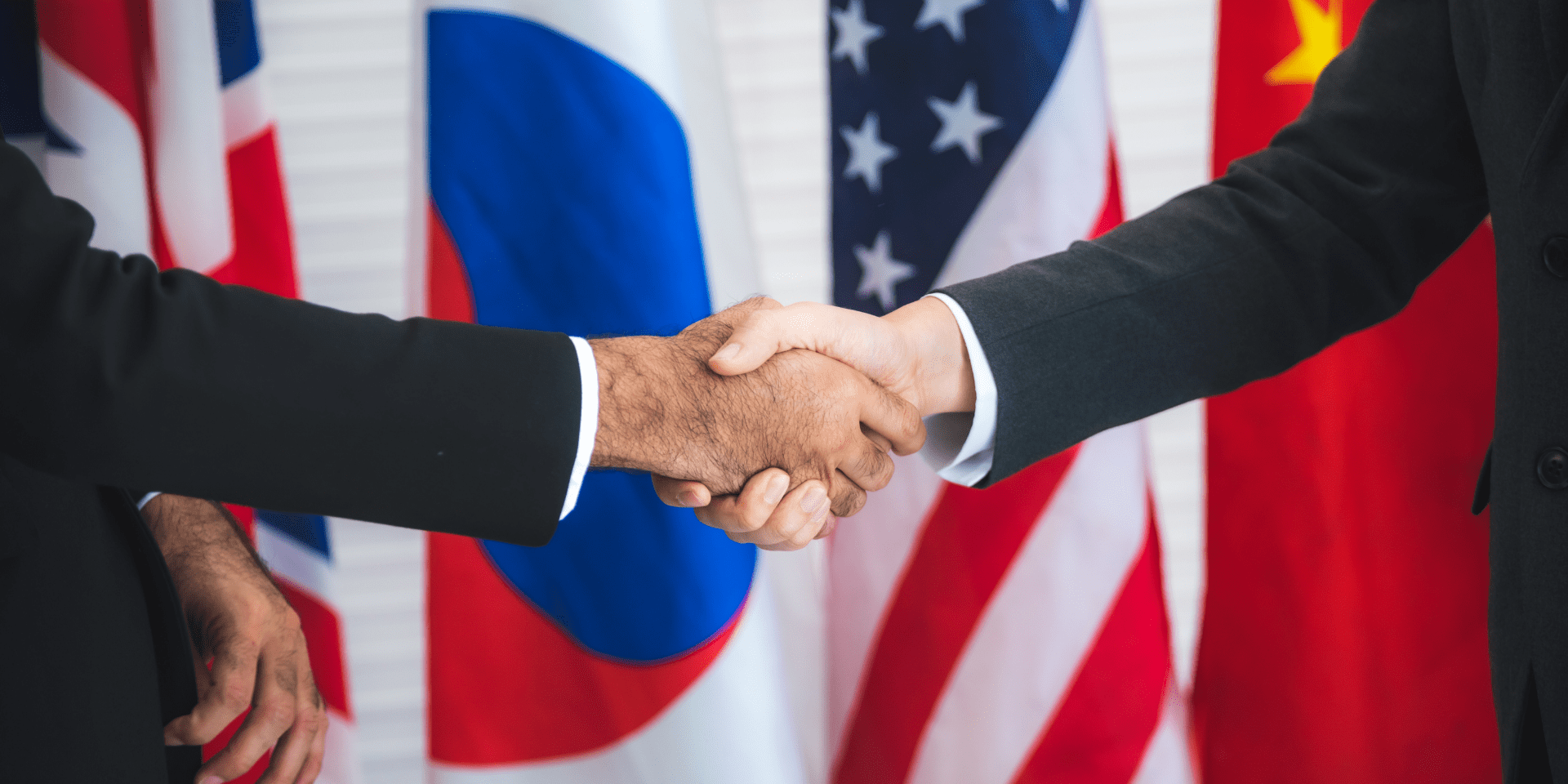
Moving forward, I underscore the importance for enhanced international collaboration in tackling cybersecurity challenges, as well as combined commercial and political entities. The interconnected nature of cyber threats demands a consolidated response that transcends national borders. Guardrails at the country level will prove inadequate in the face of cybercriminals who operate seamlessly across borders. Strengthening collaboration needs to be backed by consistent political changes, which are supported by globally-informed policies.
The balancing act of policies in AI regulation
My concern is centred around the potential consequences of more stringent policy implementation that simply is not agile enough. A draconian approach, I argue, will hinder the very innovation and acceleration necessary for effective cybersecurity, AI and quantum computing – and the benefits this will bring.
Striking the right balance is key — regulations must adapt to the dynamic threat landscape without stifling the agility required to combat emerging challenges. Quantum computing technology may need licencing in the same way patents and drug developments are to regulate usage and purpose. AI developments will need increased privacy assurance testing and security validation. There also needs to be greater transparency from the tech companies as the personal data collected and analysed be that directly or indirectly could be acquired or exfiltrated without consent.
Empowering cyber communities
In my opinion, the power lies within cyber communities, governments, and expert cyber agencies. These collective communities, driven by a shared purpose to make the world a better place through collaboration and innovation, can harness the accelerating technologies of AI and large language models to strengthen cybersecurity.
The delicate balance involves enabling these communities to leverage AI while ensuring responsible and ethical use. Ensuring the messaging is understood, continually evolves, and is adopted is a crucial part of future success.
Navigating the tightrope
There has always been a delicate balance between regulatory measures and fostering an environment conducive to innovation in the cybersecurity sector.
AI regulation has taken too long to agree and implement, let alone evolve. This balance is critical in ensuring the ongoing effectiveness of our cybersecurity efforts. Restricting innovation runs the risk of leaving us ill-prepared to face the ever-evolving tactics employed by cybercriminals.
Worst still, it puts businesses and individuals who cannot afford or do not understand how to improve their protection at greater levels of risk.
Innovation as a necessity
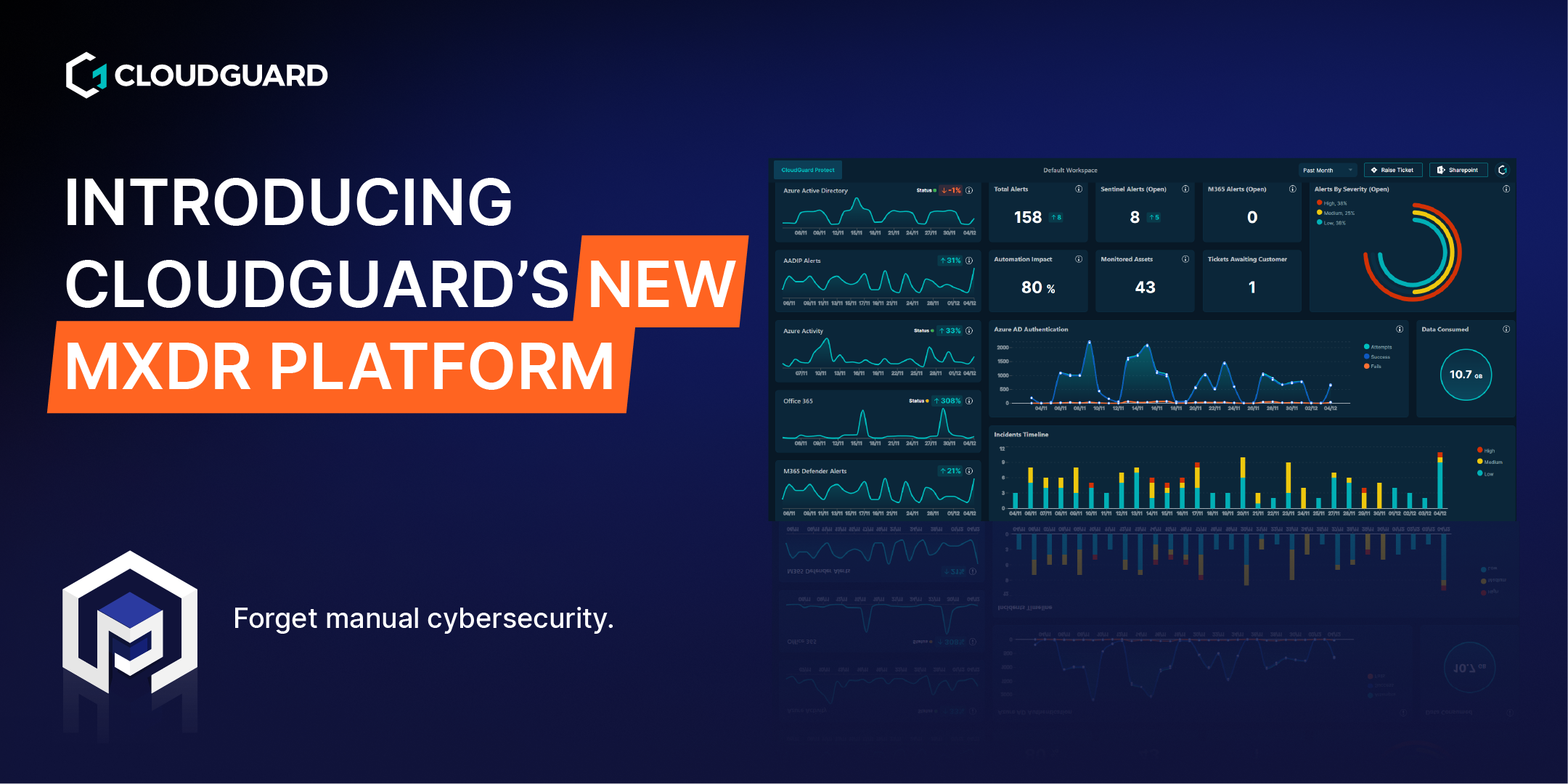
Let’s be clear—cybersecurity innovation is not a luxury but an imperative in today’s digital landscape. Our AI-powered cybersecurity solutions, such as the MXDR (Managed Extended Detection and Response), demonstrate the innovation necessary to stay ahead of sophisticated threats. Technology is going to progress much faster, defence mechanisms must evolve in tandem. AI regulation cannot hold that back.
Global unity in cybersecurity
The call for international collaboration is more than a mere suggestion or wishful thinking; it is a fundamental recognition that cybersecurity is a collective responsibility.
There must be concerted, multi-national alignment to reduce weaponisation tactics and activities in the cyber threat landscape. No one entity or nation can stand alone against the rising tide of cyber threats. Collaboration involves not only sharing intelligence but also aligning policies globally to create a unified defence against adversaries. Learn fast. Then adapt policies and regulation from this continual learning. We need to make it part of the fabric of lives to ensure those that are most vulnerable, have access to protection.
The future cyber landscape
Looking ahead, I hope for a future where cybersecurity evolves alongside the advancements in AI and automation. However, this future hinges on the careful calibration of regulatory measures and collaboration. While oversight is necessary, a balanced approach—one that empowers the cybersecurity industry to proactively address and adapt to emerging challenges—is crucial.
My final thoughts on AI regulation
My insights provide a firsthand view of the intricate relationship between AI regulation and cybersecurity innovation. The delicate balance between regulatory measures and fostering innovation is vital to the continued effectiveness of our cybersecurity efforts.
As we navigate the evolving landscape of cyber threats, a consistent, collaborative, and more globally-informed learning approach, coupled with a commitment to innovation, will be crucial in safeguarding our digital futures.
Striking this balance requires a nuanced understanding of the challenges and opportunities that lie at the intersection of AI and cybersecurity—an intersection that defines the future of our industry.
To learn more about AI regulation, and the 2024 threat landscape as a whole, watch my webinar on demand. Here’s a snippet to get you started. Alternatively, check out our pags on cybersecurity for startups cybersecurity for maritime.