Ransomware Attacks: Why Payment Feels Like the Only Way Out
When ransomware hits, it feels like your world has stopped. Systems freeze, customers demand answers, and your boardroom turns into a war room. Then comes the ransom note, hundreds of thousands of pounds demanded to restore access.
Under that kind of pressure, paying the ransom can seem like the only option. You’re promised that once you pay, the nightmare will be over. But the truth is very different.
If your business pays a ransom, the story doesn’t end there. In fact, it’s only just beginning.
This article takes you inside what the next 12 months look like for a 120-employee business that pays a ransom.
We’ll cover the emotional toll, financial burden, reputational damage and repeat risk that many companies don’t fully anticipate.
We want to make the message very clear, paying is never the right answer.

1. Why You Might Be Tempted to Pay a Ransom
When an attack strikes, the reasons for paying often feel overwhelming:
- Severe customer disruption: orders stalled, phones ringing, angry clients demanding updates.
- Critical systems locked down: staff can’t access the tools they need, production halts.
- Low confidence in recovery: the board isn’t sure the company can bounce back without help.
Attackers know how to exploit this chaos. They set a price high enough to hurt, but not so high that you’ll dismiss it outright.
Ransoms often start in the hundreds of thousands but can sometimes be negotiated down, say from £500,000 to £250,000 (if you use an experienced negotiator).
In the heat of the moment, that feels like a lifeline. But here’s what you need to know: ransoms don’t buy certainty.
2. The Emotional Toll of Paying a Ransom
Even after payment the anxiety doesn’t go away.
You’ll wonder:
- Was the data really deleted?
- Could it already have been resold?
- Will the attackers come back, or tip off others that you’re a payer?
Leaders report sleepless nights, staff burnout, and constant fear with every new alert.
The emotional weight can last long after systems are restored. Paying a ransom doesn’t bring closure, it brings uncertainty. In fact, only 31% of customers who pay a ransom receive their data back in full.
3. Ransomware Recovery Timeline: A Long Road Ahead
Think recovery ends when the systems come back online? Think again. The road stretches for months:
Operational Recovery (0–3 months)
- Staff are exhausted and stressed.
- Customers are frustrated and demanding.
- Your business operates in survival mode.
Business Recovery (3–12 months)
- Rebuilding IT systems.
- Implementing security recommendations.
- Attempting to win back customer trust.
Most businesses don’t follow through on every recommendation.
In fact, only about 22% fully implement post-incident improvements. For the rest, gaps remain, and those gaps make you vulnerable to the next attack.
The Numbers Don’t Lie
Industry data paints a grim picture of life after payment:
- 67% of customers lose trust in a business after a breach. Once lost, trust is nearly impossible to fully restore.
- Companies that pay are up to four times more likely to be targeted again. Cybercriminals share information. Once you’re marked as someone who pays, your business becomes a target.
- 21% of companies face ongoing costs, from spiralling cyber insurance premiums to lawsuits and regulatory fines.
And then there are the hard costs (here’s an example):
- £250,000 ransom payment
- £775,000 recovery costs
- £34,000 increase in insurance premiums
- £948,000 in business disruption losses
Even after insurance payouts, the net cost can approach £1 million. That’s the real price of paying.
4. The Two Futures: Partial vs Full Investment
If you pay and only do the bare minimum afterward, your business remains exposed. Recovery metrics often look like this:
- Mean Time to Detect (MTTD): 3 days
- Mean Time to Respond (MTTR): 9 days
- Low levels of automation.
- No regular red team exercises.
But businesses that invest fully in resilience such as, a Managed SOC, see very different results:
- MTTD reduced to 2 minutes
- MTTR reduced to 8 minutes
- Automation up from 6% to 72%
- Regular testing, 24/7 monitoring, and proactive threat intelligence.
The cost difference? About £115,000 per year, a fraction of the near-£1 million fallout from a ransom payment.
5. Other Hidden Costs You Can’t Ignore
Beyond the obvious figures, there are hidden and ongoing costs of paying:
- Staff burnout: IT teams operating in crisis mode often leave, taking knowledge with them.
- Customer churn: with 67% losing trust, you’ll see revenue dip long after systems are back.
- Reputational damage: new deals and partnerships become harder to win.
- Legal exposure: GDPR fines and lawsuits may follow, regardless of ransom payment.
- Insurance penalties: even if insurers pay out, premiums climb sharply.
These long-tail costs often dwarf the ransom itself.
6. Real-World Examples of Attacks
Recent examples show the stakes:
- Jaguar Land Rover suffered major supply chain disruption due to cyberattacks. It is estimated profits would be down £300M as a result of the attack.
- Marks & Spencer faced a cyber-attack that disrupted its online business through social engineering. It is estimated to hit profits at £300M.
- Victoria’s Secret endured operational disruption during a sophisticated attack. Share prices dropped by 7% after the attack.
In each case, the reputational damage outweighed the technical issues. Customers and stakeholders judged the company not just on whether it was attacked, but on how it responded.
7. Legal and Regulatory Risks of Paying a Ransom
Paying a ransom isn’t just risky, it can put you on the wrong side of the law.
In the UK, it’s already illegal to pay if funds could reach terrorist groups. Planned legislation may make ransom payments even more restricted. And remember paying doesn’t remove your GDPR obligations. Regulators can still fine your business for failing to protect data.
8. Why You’ll Likely Be Attacked Again
One of the most sobering statistics is this: businesses that pay are four times more likely to face another ransom attack.
Here’s why:
- Criminal groups share intelligence in underground forums such as the dark web.
- Paying brands you as a “soft target.” It’s likely you data will be sold to other cyber criminals.
- Future attacks often come with higher ransom demands, because attackers know you’ll consider paying again.
The idea that payment buys “peace” is a myth. It actually paints a target on your back.
9. What You Should Do Instead of Paying
So, if paying is the wrong choice, what should you do? The answer is resilience. Prepare for the inevitable attack and build the ability to recover without handing money to criminals.
Key steps include:
- 24/7 Monitoring (SOC/SIEM): Reduce attacker dwell time.
- Test Your Incident Response Plan: Don’t just write it, drill it.
- Red Team Simulations: Practice realistic attack scenarios.
- Automate Security Operations: Cut response time from days to minutes.
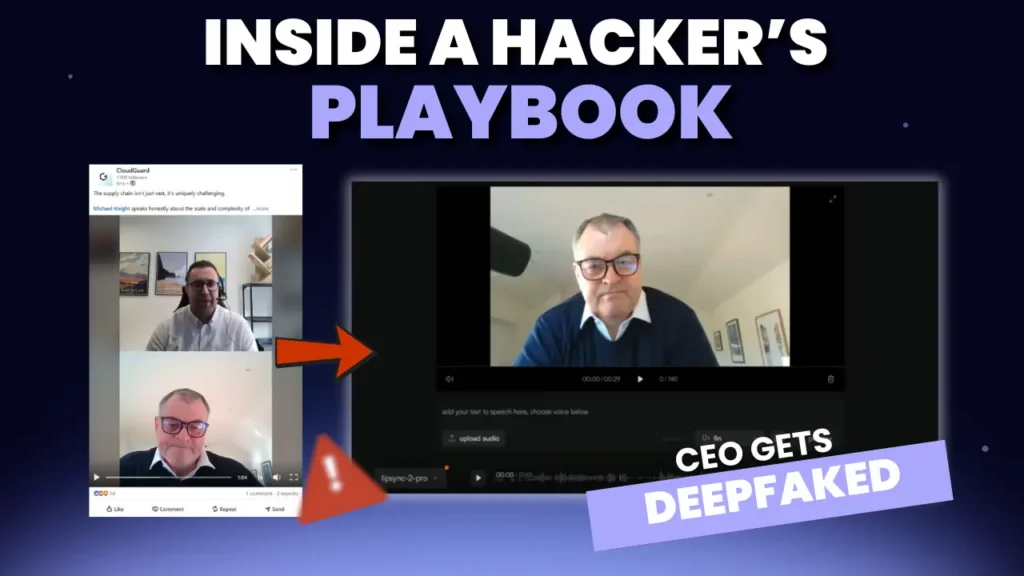
- Train Your People: Users are your first line of defence against phishing and deepfakes.
- Engage the Board: Cyber risk is business risk, treat it as such.
Yes, these measures require investment. But, the ROI on proactive security can be measured in hours of saved disruption, not months of pain.
10. Key Lessons for Business Leaders
The aftermath of paying a ransom teaches us five things:
- Payment doesn’t solve the problem. It prolongs it.
- Trust is the real loss. Once customers walk away, they rarely return.
- Investment in resilience is cheaper than recovery.
- Your people matter as much as your technology. Burnout is real and costly.
- You’ll be targeted again. Paying once makes you a future mark.
Final Word: Never Pay the Ransom
In the heat of a ransomware crisis, paying may feel like your only option. But the evidence is clear: paying makes things worse, not better.
The real answer lies in preparation, building resilience before the crisis hits. That way, you can recover confidently without feeding the criminal ecosystem.
If there’s one message you take away, let it be this:
Never pay. Invest in resilience.
Because the only thing more expensive than paying a ransom… is paying it twice.
That’s why we run Incident Response Workshops. Our expert-led, one-to-one sessions help you:
- Build your plan → Create a clear, usable IR plan from scratch with our team.
- Review your plan → Already have one? We’ll identify gaps and strengthen it.
- Test your plan → Run a live tabletop attack simulation with your team.
Don’t wait for a ransom note to test your plan. Book your Incident Response Workshop today, and make sure your next move is resilience, not regret.